Review: “How To Be Well”
Larocca’s book tackles wellness from an informative angle and is a great read
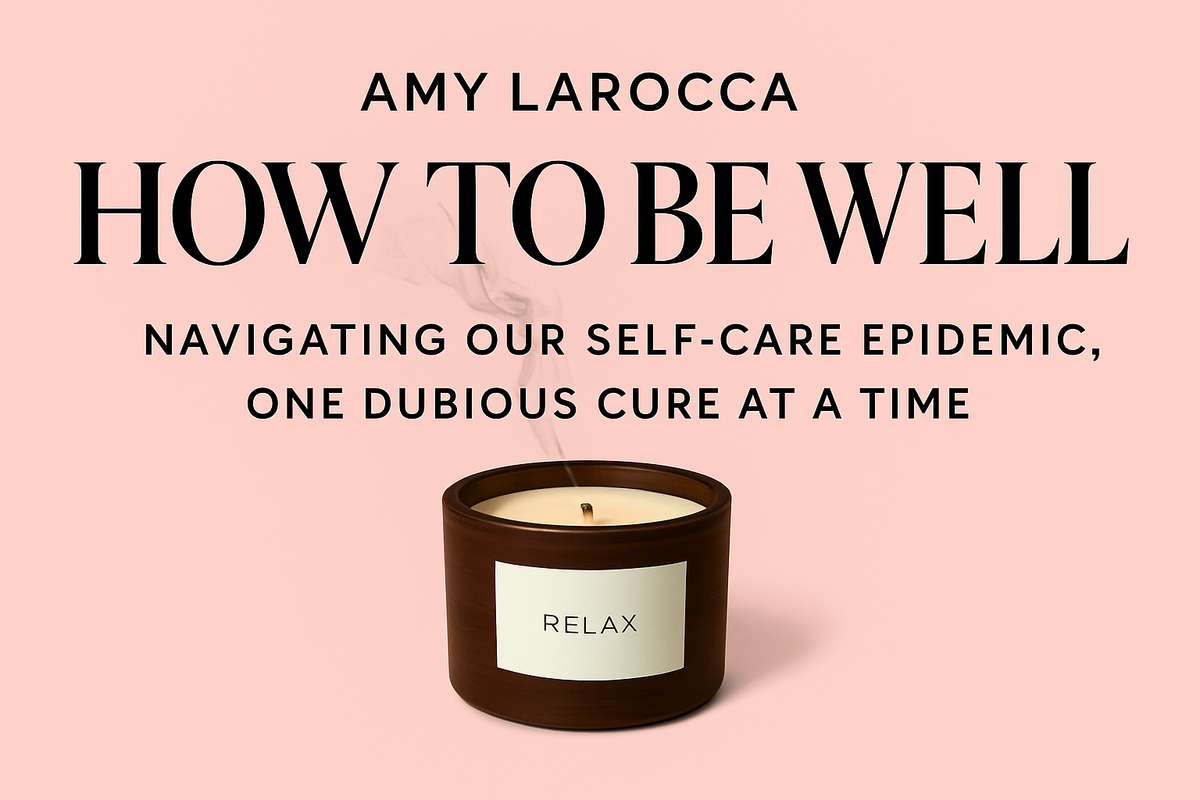
I came across Amy Larocca on a recent episode of Kara Swisher’s On podcast, one I criticized because Swisher read wellness ads while posing as a wellness “truth teller.”
Larocca was the fresh face and standout on a panel consisting otherwise of Swisher retreads. She also seemed to have the most and best things to say.
This led me to pick up her book, How To Be Well: Navigating Our Self-Care Epidemic, One Dubious Cure At a Time. I started with a copy from the library, but liked the book so much that I ended up buying it to add to my shelves.
- Publishing tidbit: The title may be doing Larocca a disservice. Some reviewers on Amazon have given the book lower ratings because they thought it was a wellness book and were disappointed to find out it was journalism.
Larocca comes at the topic from an angle that proves surprisingly informative. A well-established fashion reporter, Larocca started seeing wellness ideas overtaking beauty concepts years ago, which set her on the scent. This proves to be a fantastic angle from which to tackle the topic, especially as Larocca correctly identifies how wellness targets females primarily by recycling a lot of beauty and insecurity tropes — fears of being old, fat, or ugly. Putting them in lavender-scented Lycra is just today’s approach:
So much of what is pushed on us in the name of being healthy stinks of what we decry as its opposite. Women are forever being criticized and sold solutions, and this time is less different than we think.
As a writer, Larocca is delightful and informative in equal measure. Capable of digging out historical facts (Flexnerian medicine and its limitations) and tying them smartly to modern exploitations, she can also deliver a zinger with the best of them. Her writing and pacing keep things interesting, and I found the book hard to put down — it’s fun and clarifying.
- Quasi-religious aspects abound, from SoulCycle to cleanses. Larocca doesn’t flinch, and weaves some of her own experiences in nicely.
- The sections involved in the part of the book called “Glow” are especially fun.
Overall, this is a book well worth your time if you want to understand how “wellness” emerged from repackaged self-loathing and well-marketed futility.
Highly Recommend.