Pod: “Are We Breaking Peer Review?”
Where we explain what Peer Review Week really represents each passing year
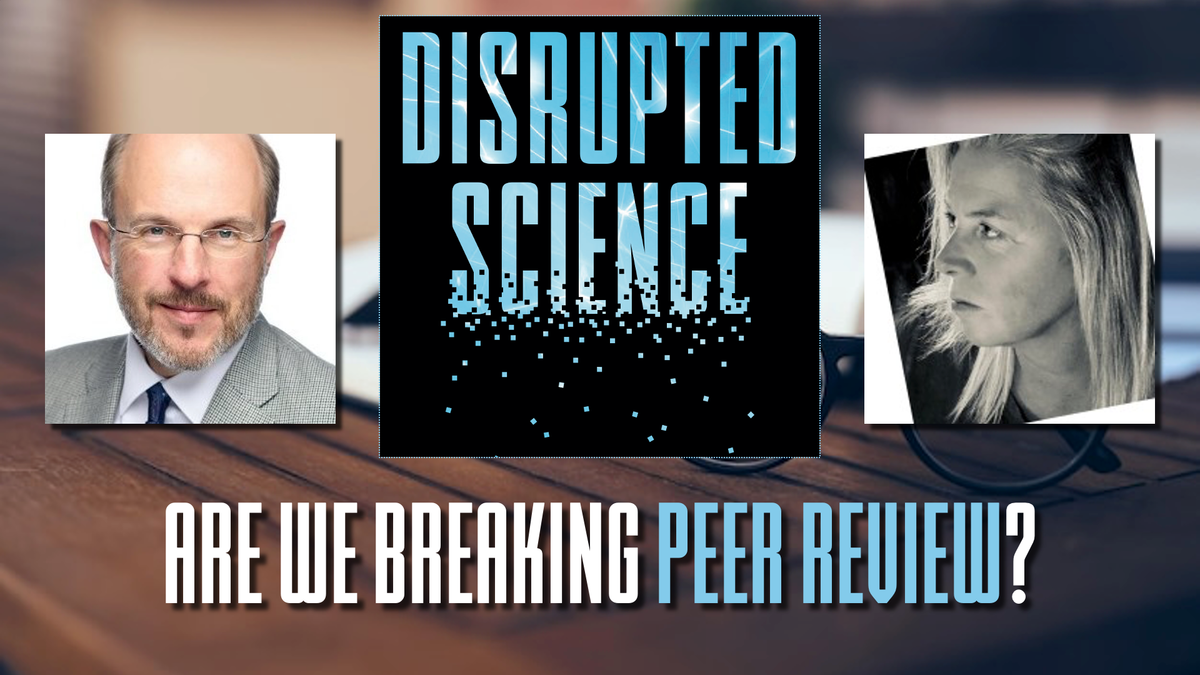
After our discussion last week with Olivia Guest and Iris van Rooij about the many misconceptions about AI systems and why they don’t belong in academia without massive interrogations and necessary modifications and limitations, we find ourselves in Peer Review Week, with a focus on AI and new announcements about AI systems coming from Cactus Communications, Elsevier, and Silverchair/Scholar One, just to name a few.
The week is now a chance for vendor opportunism. In a market, that’s to be expected.
But we’d like to ask a deeper question:
Has “peer review” as a brand asset been rendered meaningless by Gold OA publishing, preprints, and megajournals?
In short, are we breaking peer review?
Today’s episode focuses on the false narratives being promulgated about what peer review is and isn’t, why AI is not the answer, and why a future where rigor and community-based definitions of quality will matter more than scale and speed.
Authors and readers have been convinced that OA is a de facto trust marker, but it now drives massive corporate profits along with piracy and predation.
Preprints are all for-profit plays to populate AI learning systems and author marketing databases.
The supply chain of research resembles “fast fashion” and “fast food” more than quality goods delivered to the people who can use them, created with care about the ingredients, preparation, and presentation. AI is being offered as a way to maintain the new status quo but represents a false path for science.
There’s a lot to cover, and we have our Discoveries of the Week.
Subscribe today
- Subscribe on Apple Podcasts
- Subscribe on Spotify
- Subscribe on Amazon Music/Audible
- Subscribe on YouTube
Music provided by Provoke the Truth — https://provokethetruth.net/
NOTE
Due to a technical glitch, this week’s podcast is audio-only. It’s such a shame — we really looked good, too!